
Roast methodology
Heat, airflow, and time in the drum
Every roast starts with the same question: how much energy the beans can absorb before their sugars and acids change character. We watch drum temperature, airflow, and development timing together, adjusting the profile as the beans move through each stage.
Small shifts matter. A few seconds of extra airflow or a slightly earlier charge can change how a coffee tastes after brewing, so we record every batch and compare it against the cup.
Roast spectrum
Light to deep, one bean at a time
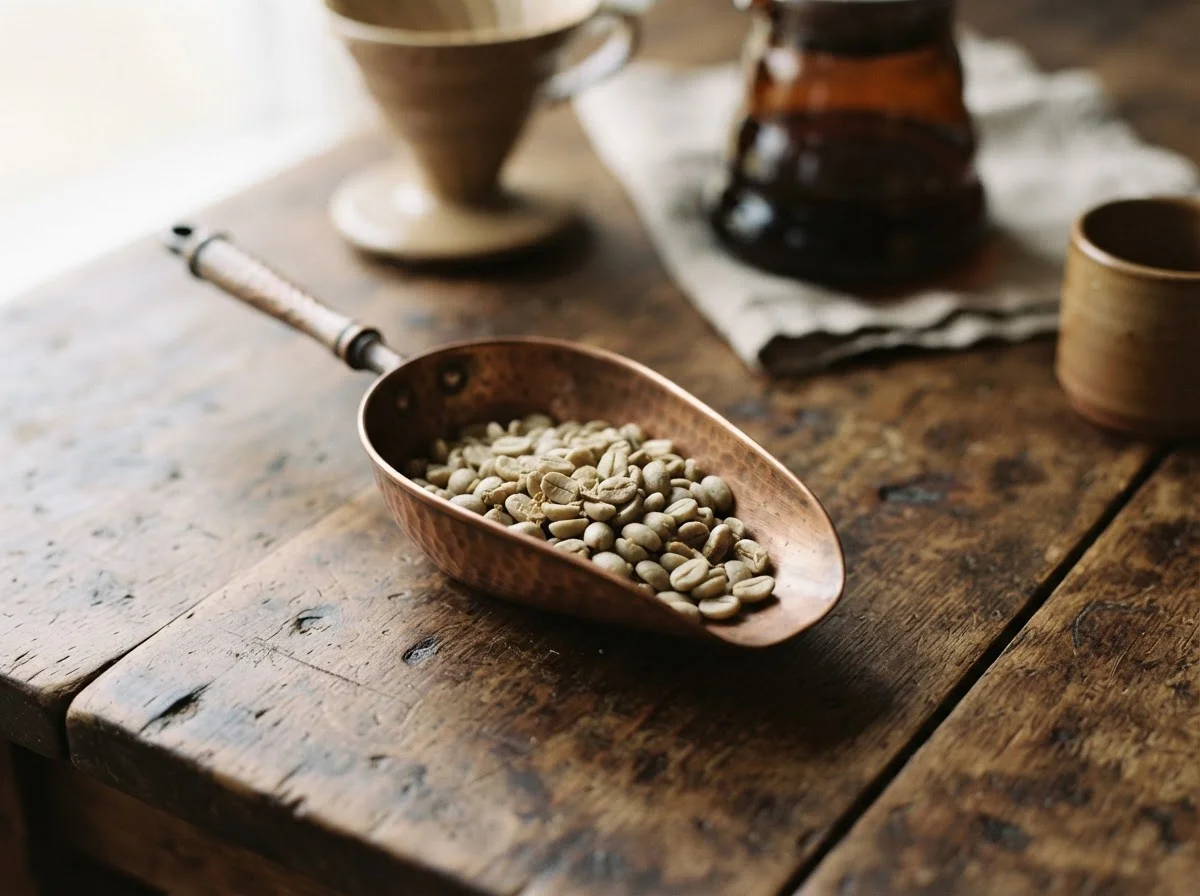
Light roast
Floral and bright
Shorter development keeps delicate aromatics and a crisp, clean cup. Best for brewing methods that highlight clarity.
Medium roast
Balanced and sweet
A middle development that blends origin character with caramel sweetness and a smooth, rounded body.


Dark roast
Rich and chocolatey
Longer development brings toasted, chocolate, and roasted notes with a heavier body and deep, warm finish.
Cupping and evaluation
How we check every batch
01
Grind and dose
Roasted beans are ground to a consistent cupping size and weighed so each sample starts from the same ratio.
02
Pour and steep
Hot water is poured over the grounds and left to steep for a set time before the crust is broken.
03
Smell and slurp
We note aroma, then taste across the cup, looking at acidity, sweetness, body, and finish.
04
Record the notes
Tasting notes are tied back to the bean's genetics and the roast temperatures used, so the next batch can be refined.