
Our roastery
Batch roasting, one careful profile at a time
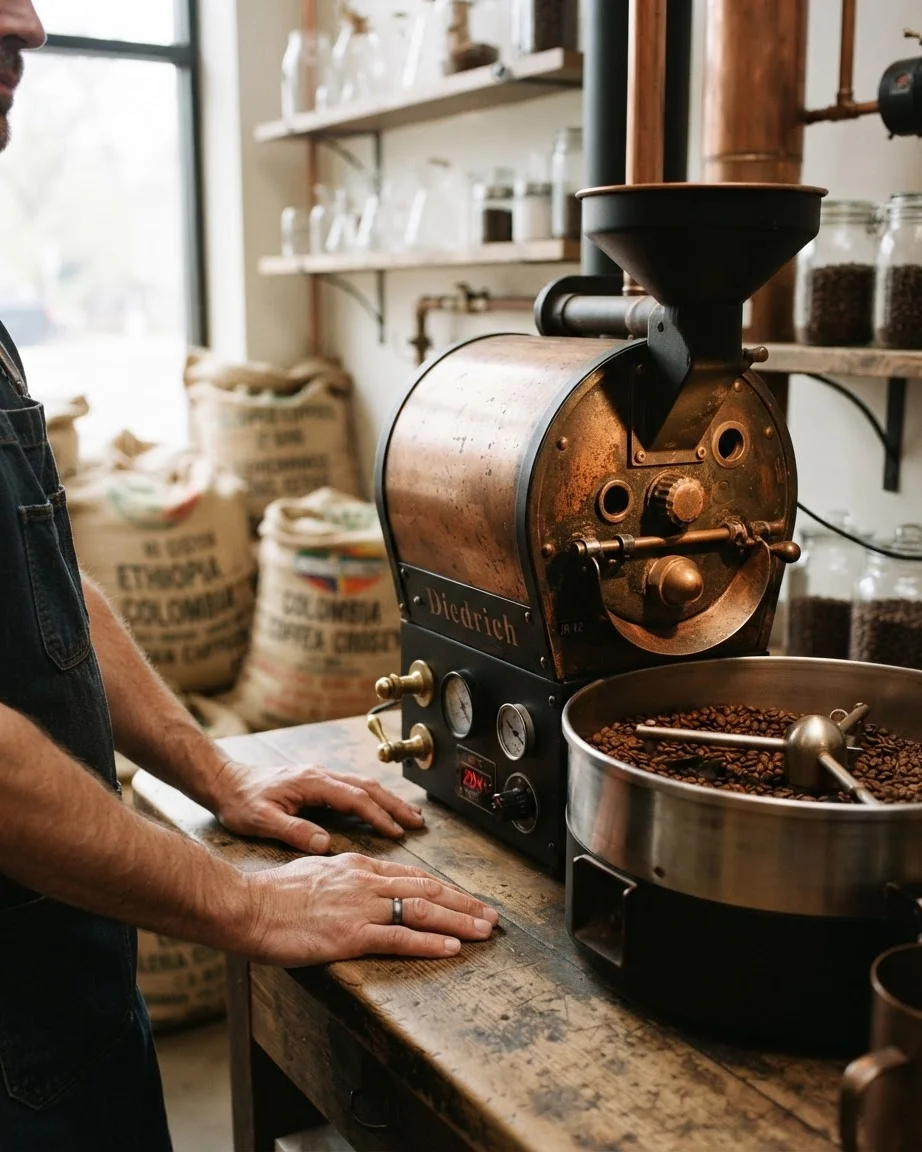
Dark Bean Roasters began as a small batch roasting practice built around patient experiments with heat and airflow. Each batch is roasted in small quantities so the roaster can listen for changes in color, sound, and aroma, then adjust the curve until the coffee tastes clear and balanced.
The work is slow by design. Every roast is logged, cupped, and compared against the last, so the profile improves over time instead of being guessed at once and repeated.
Our standard
Clarity in the cup comes first, and honest communication follows it.
We roast to show what the bean can say, not to hide it behind smoke. Every bag should tell you honestly what to expect, and every brew note should be something you can try at home.
How we work
Relationships, calibration, and coffee education
Growers
Staying close to the coffee
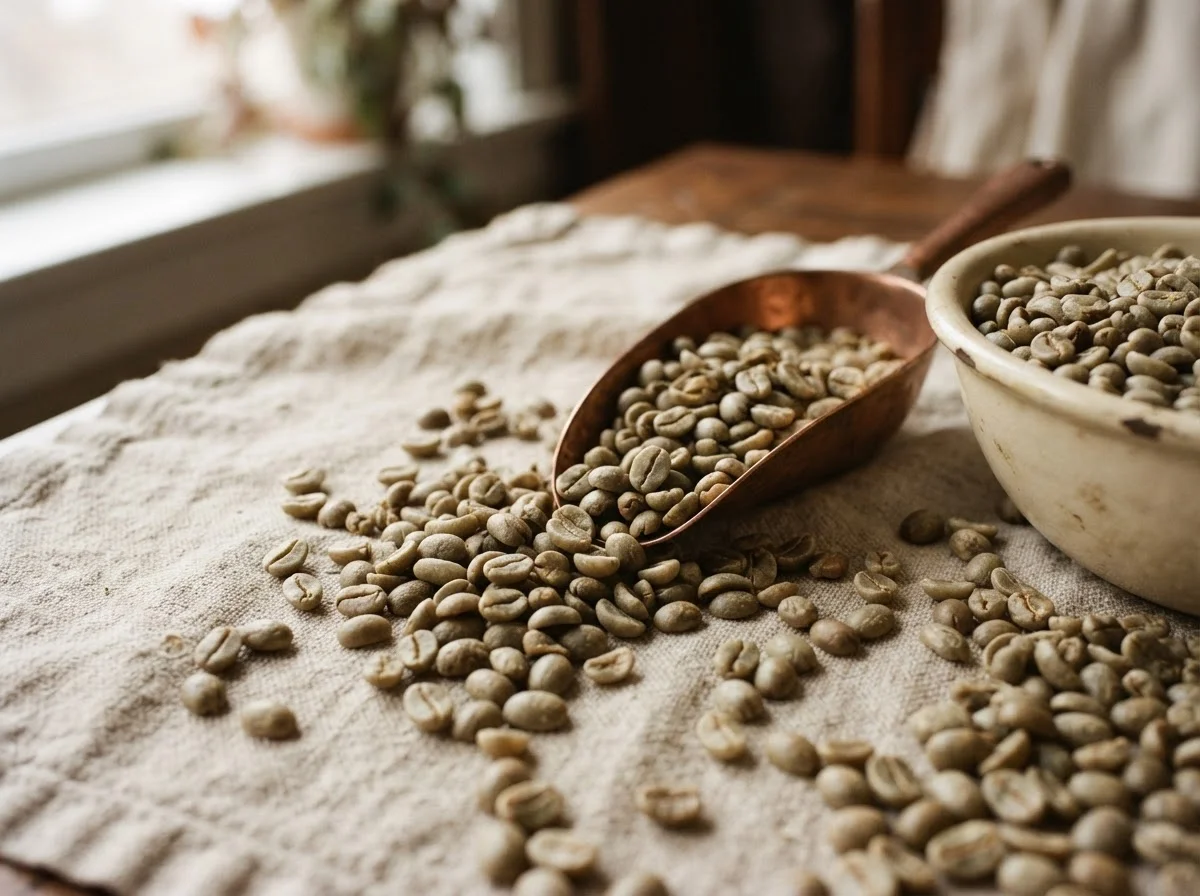
We value direct, respectful conversations with the people who grow the coffee we buy, and we keep notes on what we learn about each lot so future roasts reflect that knowledge.
Calibration
Measured, repeatable roasting
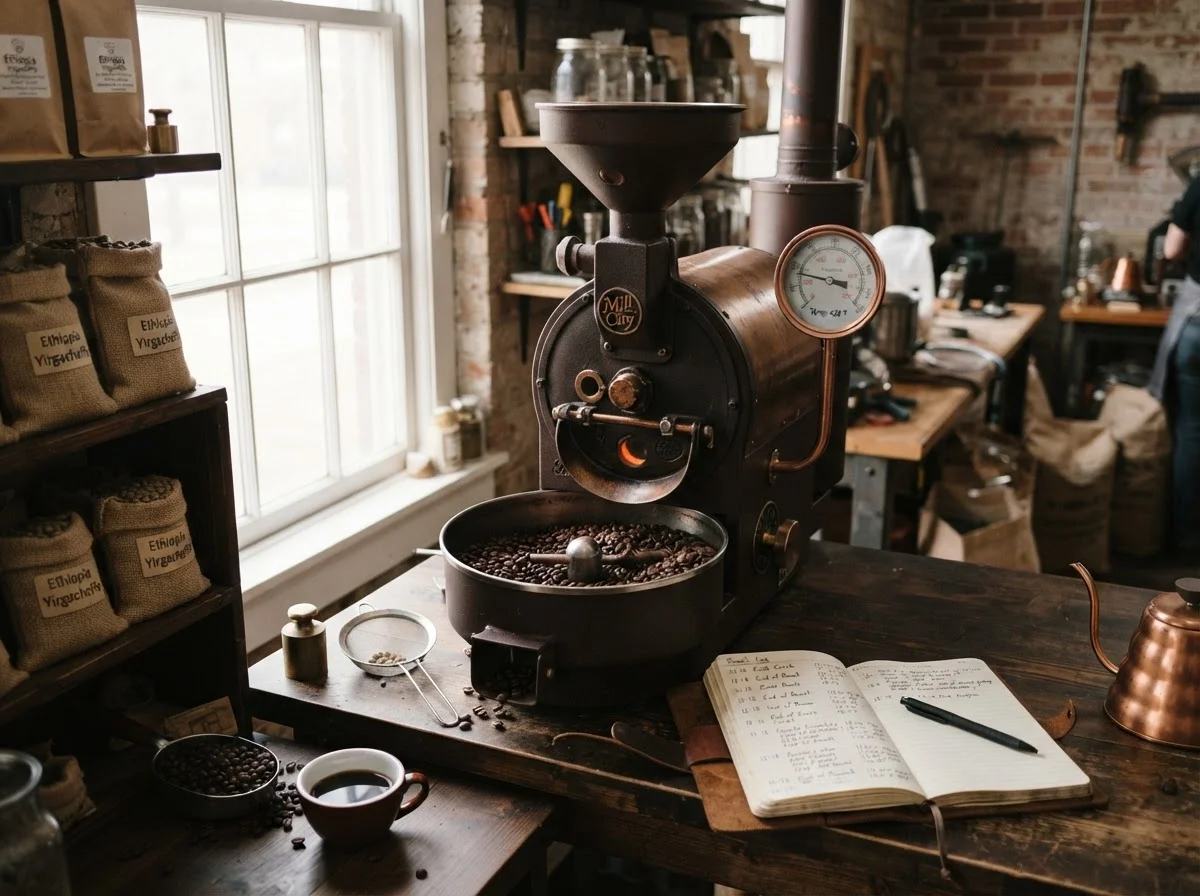
Temperature readings, roast times, and cupping scores are recorded for every batch. That record lets us repeat the profiles we love and adjust the ones that need more work.
Education
Brewing knowledge for home brewers
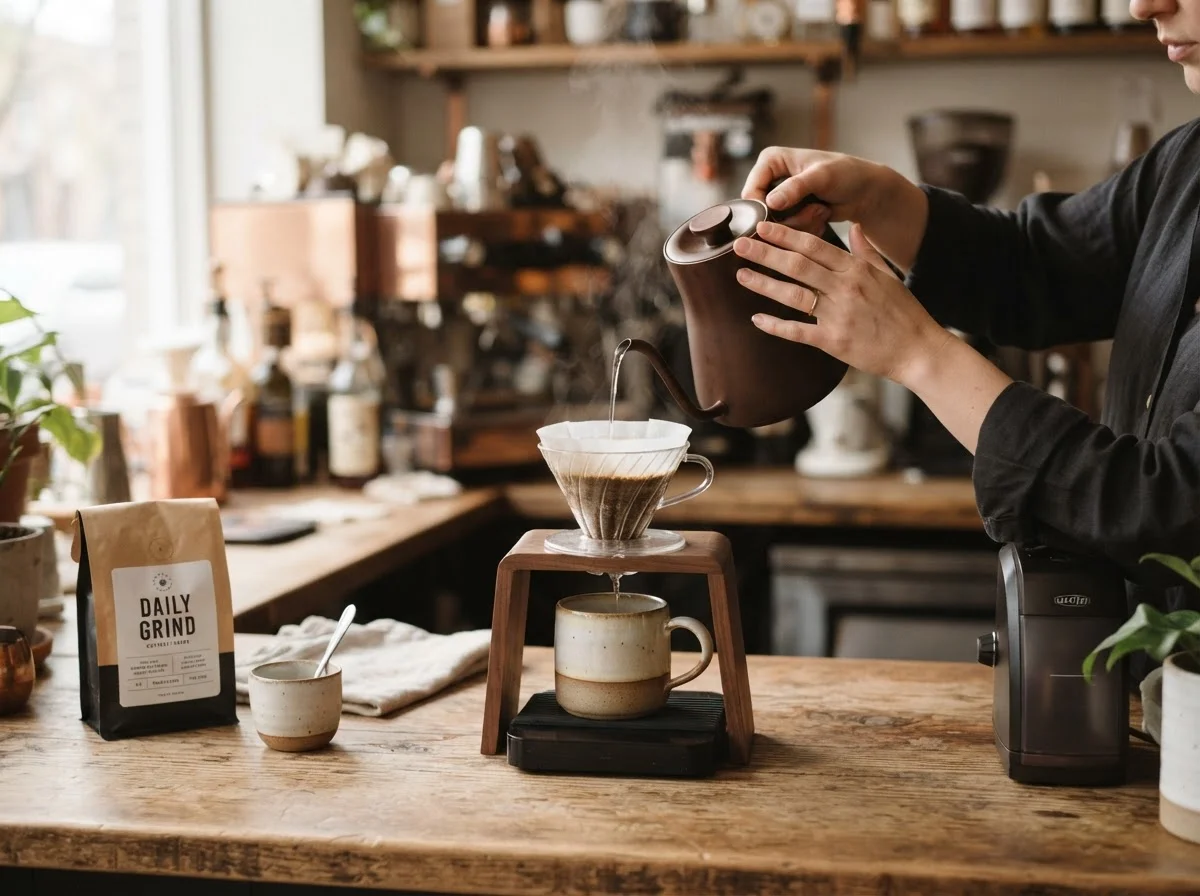
We share what we learn through our blog, from grind size and water temperature to the small changes that shape what you notice in the cup. Good coffee should feel approachable, not gatekept.